Spring is Coming
The first series of cyanotypes on this page was printed for a winter show at the Brooklyn Bonatic Garden. The curator and I discussed a variety of ideas from dead insects, dried leaves, and (the most fun part) transparent seeds, representing the promise of new life in the spring.
Obviously, there aren’t dragonfly seeds, but I did unsuccessfully search for a praying mantis egg sack.
The seeds below were imaged with X-rays and Neutron rays. X-rays, conveniently, come from a cathode tube, but Neutron rays come from uranium.
To make the images, I traveled to Hamilton, Ontario, Canada at McMaster University. They have a five story tall nuclear reactor.
It’s really a 50 foot tall and 20 foot across bucket of water with a stack of glowing uranium in the bottom. There are 3 pipes radiating out from the uranium like spokes on a wheel. At the end of each spoke is a window to put a piece of 13×17 inch photographic film into. They call these tubes “apertures.”
All around each aperture are stacked 2 foot by 3 foot by three inch blocks of paraffin wax. X-rays are stopped by lead, like the lead apron they put on your chest at the dentist. Uranium is stopped by hydrogen, but not by lead or any other metals. You could say that metals are invisible to uranium. Both the 50 foot water pool which is just hydrogen and oxygen, and the six foot tall sacks of wax blocks, which are bricks of hydrocarbons are are the armor that keeps everything from being irradiated.
All this to see the insides of some tiny seeds, like the maple key, the plumb, cherry, and apricot pits, and the walnuts. The techs asked me why I came all the way to Canada to nuke my lunch.
How I found the reactor
So how did I figure that I could take a picture with neutrons instead of visible light? Well, in the discussion with curator about images of dormant things in winter that I could produce, I remembered seeing a picture of a seed x-ray. It was used to determine viability of farm seeds. They zapped a sample and peeked inside to see if there was anything going on. You can clearly see the inner workings in some of the tomato seeds and sugar beet seeds. I told the curator that I was going to attempt to do something similar.
When I went in for an MRI, I asked the radiologist if I could image something next to me and have copies of my scans. I had worked in print advertising once and you could always ask a printer to make you business cards or postcards something small like that on the edge of a big job that didn’t use the whole sheet of paper – especially diecut packaging jobs. I figured the space on the scans around my neck was the same – just wasted film otherwise. I was not convincing enough. Same with my dentist. I asked if I could image something on one of those little postage stamp x-rays that they make. I even offered to trade a finished cyanotype. The dentist declined.
On to the internet to search for x-rays in industrial applications, and I discovered that airplane parts are both x-rayed and neutron rayed before they’re installed in an airplane. What does that mean, I wondered? It’s a branch of quality control called Non-destructive Testing.
Before they’re installed on an airplane, technicians, like the folks at McMaster, look at the parts for cracks with x-rays, and something called inclusions with neutron rays. Inclusions are organic matter that can get trapped inside the metal castings of the turbine blades if something goes wrong in fabrication. Organic matter usually has carbon, oxygen, and hydrogen in the molecule, which is visible on a neutron image.
After producing the seed images, I returned to McMaster the next year to make some more images. I found some dried creatures here and there. One was a cow fish. Oddly, the cow fish had been taxidermied and all the armatures and stuffing were visible in the image. Another was a lizard that was for stirring into broth. It was dried with the legs splayed. I didn’t realize this might be a problem with Canadian customs until all the cars in front of us at the border gates were asked to simultaneously open their trunks.
The first time we crossed in a small town with one lane of customs and they just peeked into the cabin. This time we crossed near Toronto, and they were all business about searching. I hoped I could just give them the dried creatures and shark’s jaw and be on my way rather than being turned away or detained. They didn’t inspect our car beyond a glance, but it was a warning not to be so focused on the project to forget that crossing the border was an important consideration in what I could image.
Toronto has a thriving Chinatown that has lots of dried sea creatures for medicinal purposes and for eating. The centuries-old medicine offered us a wide variety of objects to image, including creatures like dried pipefish, seahorses, squid, octopi, and something locally called “seabird.”
The printing process
The cyanotype images were edited in photoshop to convert the tones into a range that prints in ultraviolet light. The emulsion is a standard 100+ year old mixture of green ferric ammonium citrate and potassium ferricyanide. The emulsion is brushed onto Fabriano Artistico watercolor blocks and let dry. A negative is printed onto clear acetate from the modified photoshop image that looks really pale and thin compared to a silver negative. The negative is laid on the dry emulsion of the watercolor paper and pressed under glass with a vacuum blanket. A mercury vapor lamp, a lot like a yellow city street light, is used to expose the image through the negative. The paper is separated from the negative and washed in running water.
Brooklyn Botanic Garden show

16×20 cyanotype on Fabriano Artistico
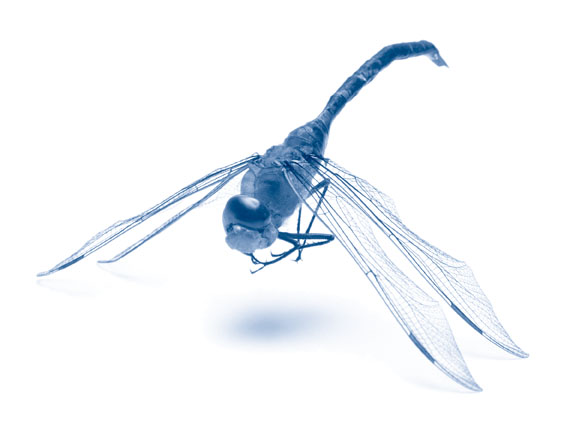
16×20 cyanotype on Fabriano Artistico
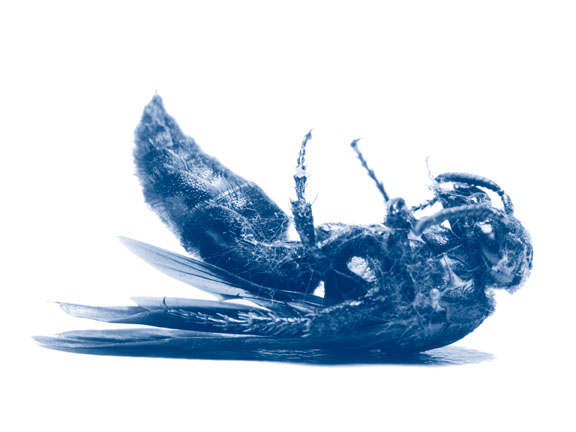
16×20 cyanotype on Fabriano Artistico
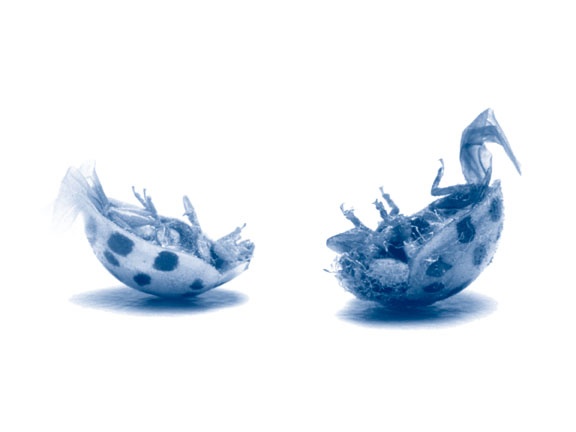
16×20 cyanotype on Fabriano Artistico
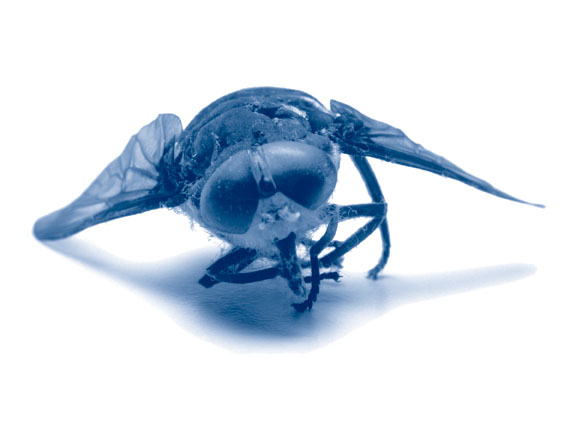
16×20 cyanotype on Fabriano Artistico
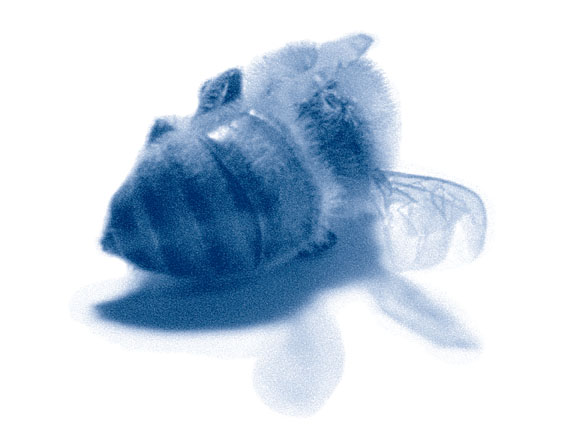
16×20 cyanotype on Fabriano Artistico
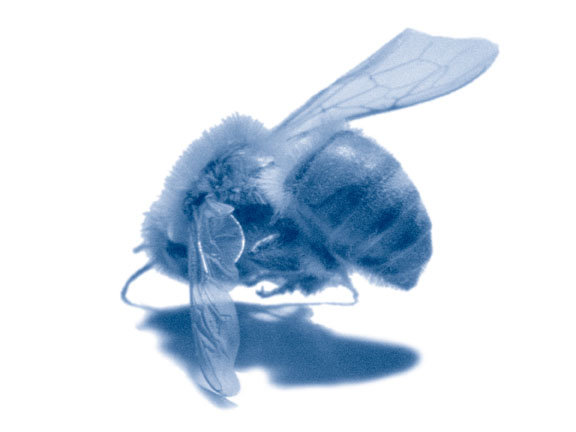
16×20 cyanotype on Fabriano Artistico
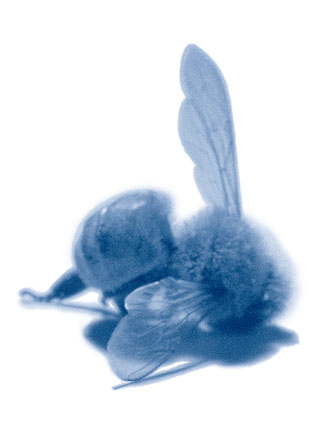
16×20 cyanotype on Fabriano Artistico
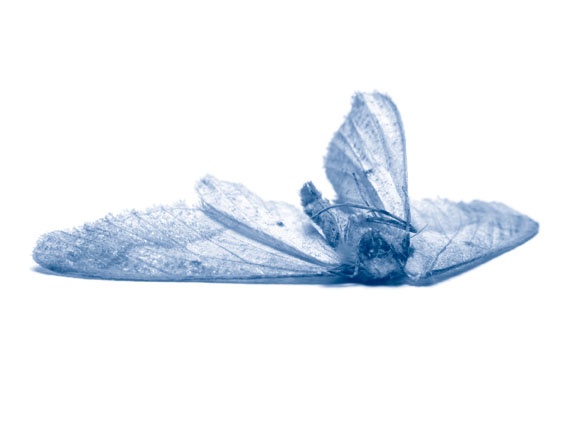
16×20 cyanotype on Fabriano Artistico
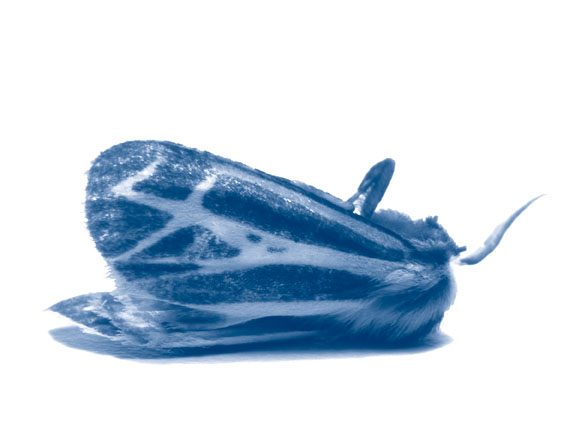
16×20 cyanotype on Fabriano Artistico
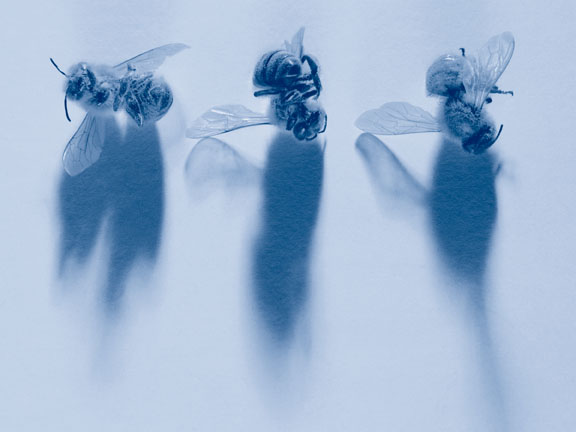
16×20 cyanotype on Fabriano Artistico
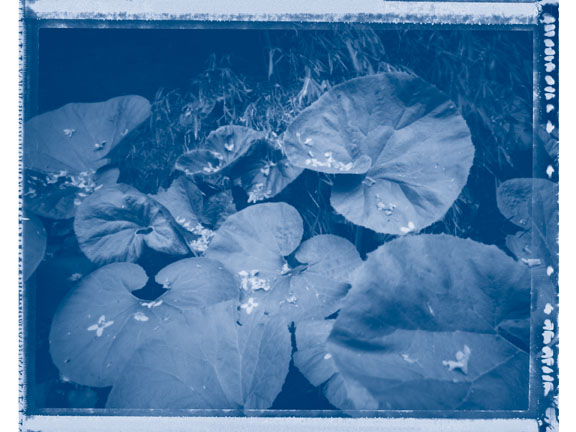
Pinhole 4×5 negative
16×20 cyanotype on Fabriano Artistico
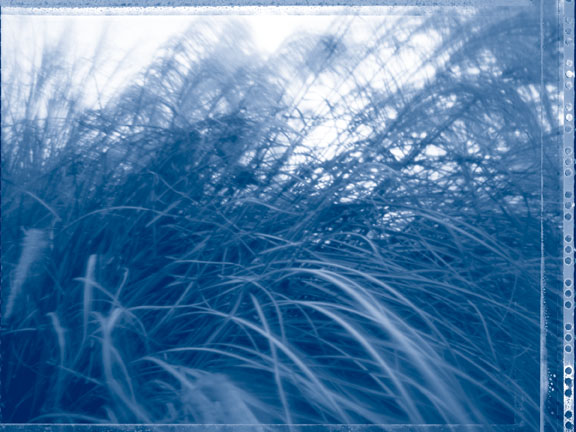
Pinhole 4×5 negative
16×20 cyanotype on Fabriano Artistico
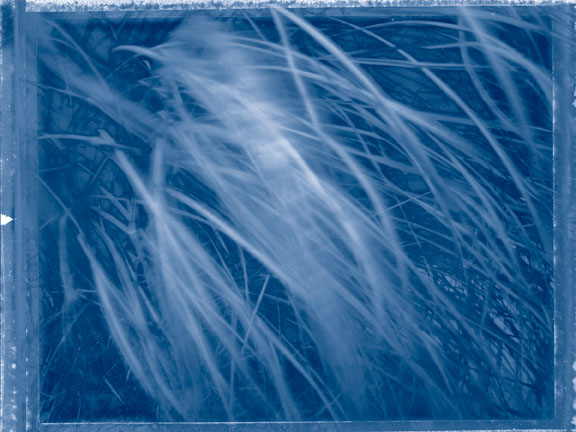
Pinhole 4×5 negative
16×20 cyanotype on Fabriano Artistico
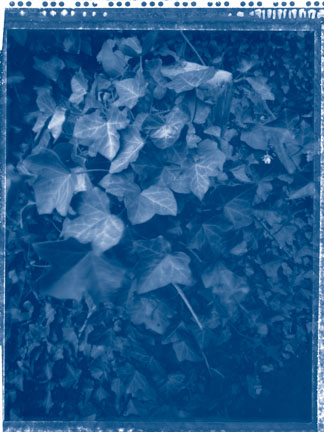
Pinhole 4×5 negative
16×20 cyanotype on Fabriano Artistico
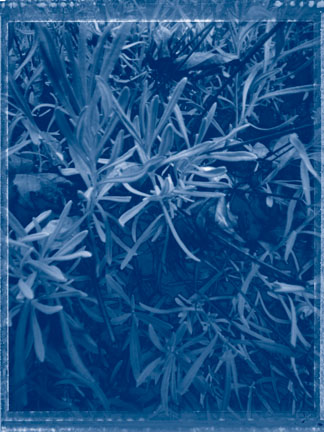
Pinhole 4×5 negative
16×20 cyanotype on Fabriano Artistico
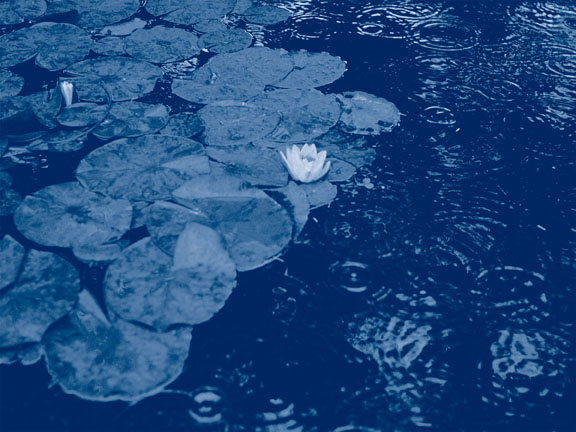
Pinhole 4×5 negative
16×20 cyanotype on Fabriano Artistico
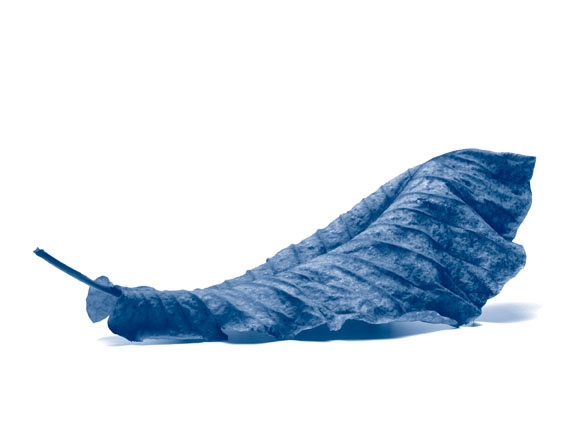
16×20 cyanotype on Fabriano Artistico
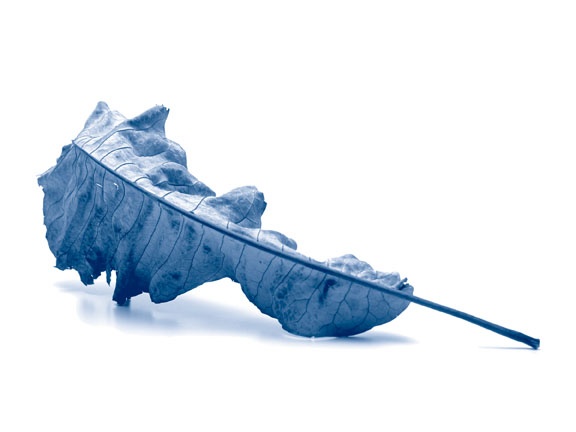
16×20 cyanotype on Fabriano Artistico
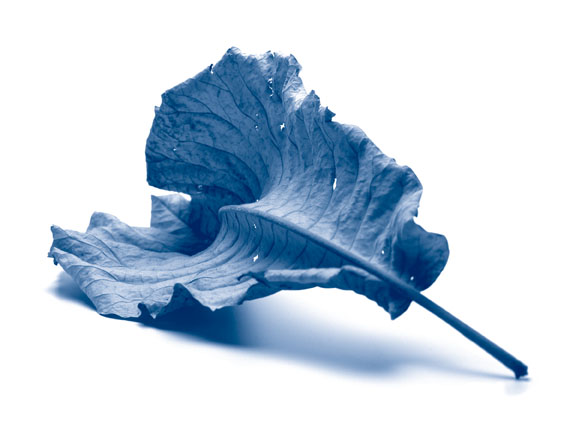
16×20 cyanotype on Fabriano Artistico

16×20 cyanotype on Fabriano Artistico
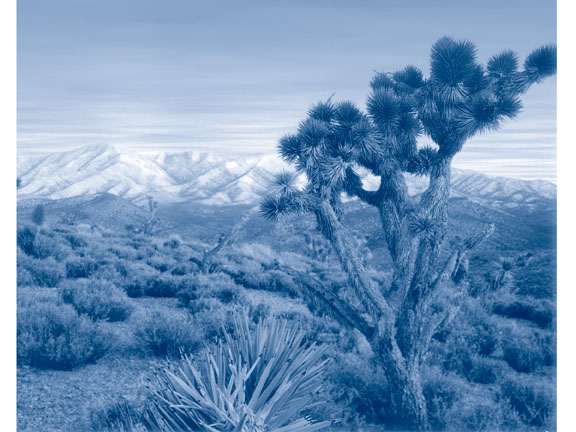
Pinhole 4×5 negative
16×20 cyanotype on Fabriano Artistico
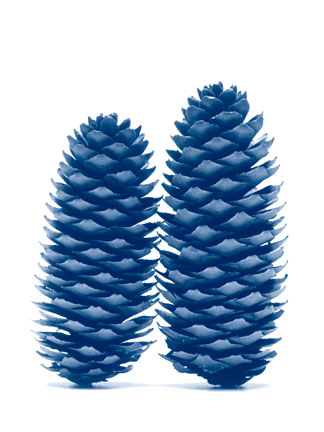
16×20 cyanotype on Fabriano Artistico
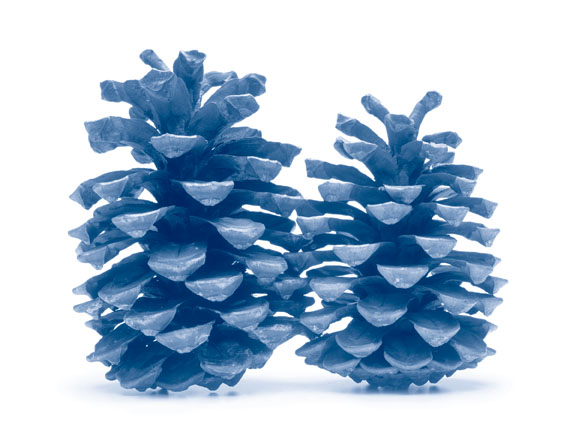
16×20 cyanotype on Fabriano Artistico
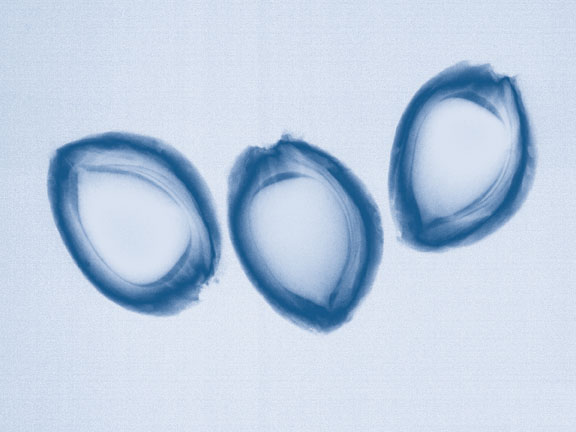
Neutron Ray on orthographic film
16×20 cyanotype on Fabriano Artistico
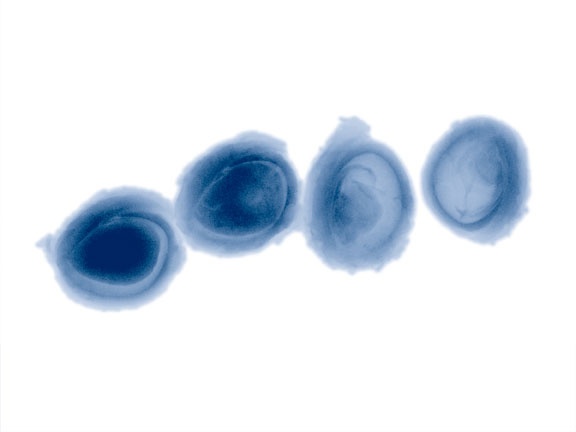
Neutron Ray on orthographic film
16×20 cyanotype on Fabriano Artistico
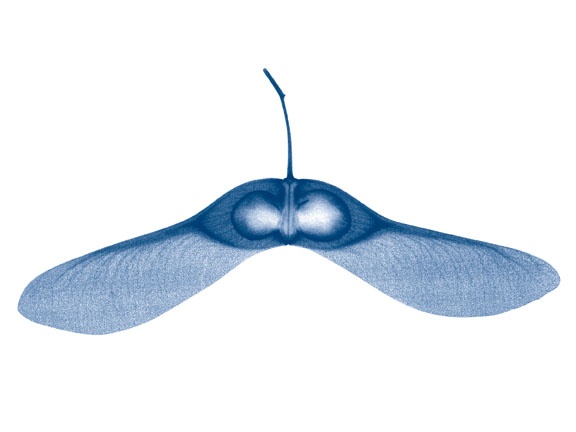
Neutron Ray on orthographic film
16×20 cyanotype on Fabriano Artistico
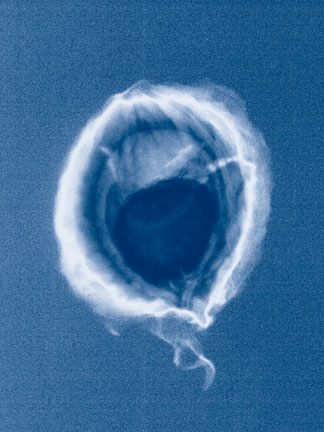
Neutron Ray on orthographic film
16×20 cyanotype on Fabriano Artistico
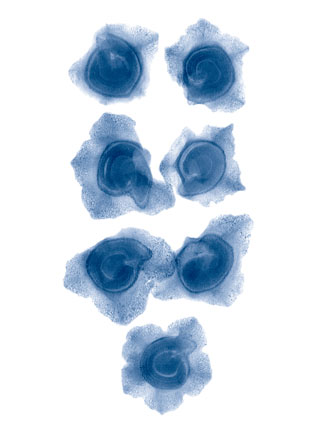
Digital X-Ray
16×20 cyanotype on Fabriano Artistico
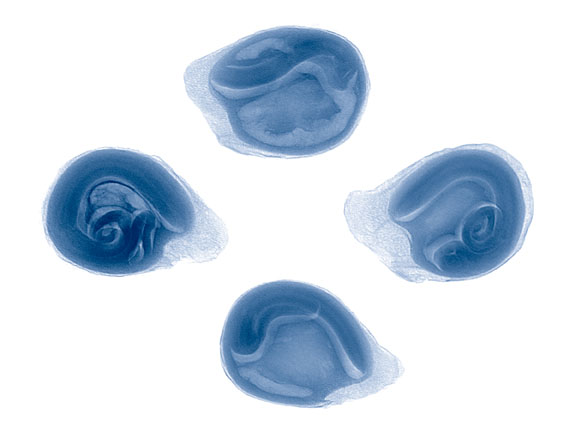
Digital X-Ray
16×20 cyanotype on Fabriano Artistico
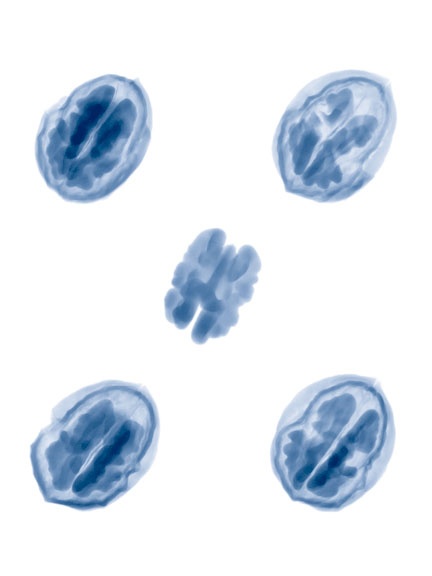
Neutron Ray on orthographic film
16×20 cyanotype on Fabriano Artistico
Neutron Ray Sea Creatures
(and other random things we put in a nuclear reactor)
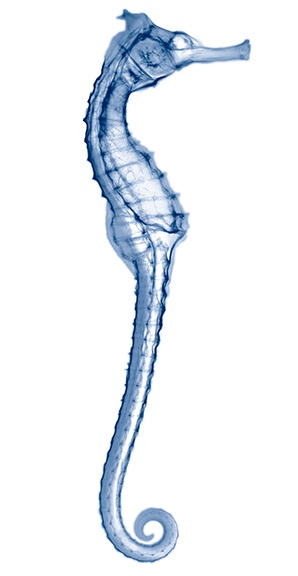
Neutron Ray on orthographic film
10×20 cyanotype on Fabriano Artistico
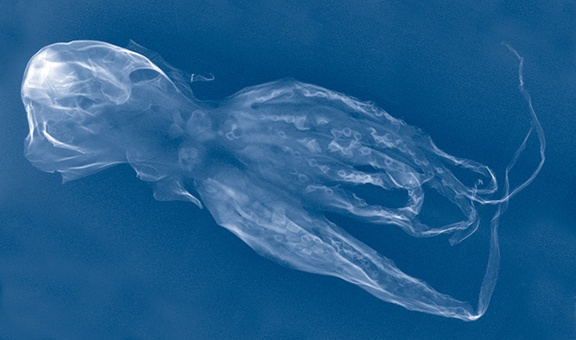
Neutron Ray on orthographic film
12×20 cyanotype on Fabriano Artistico
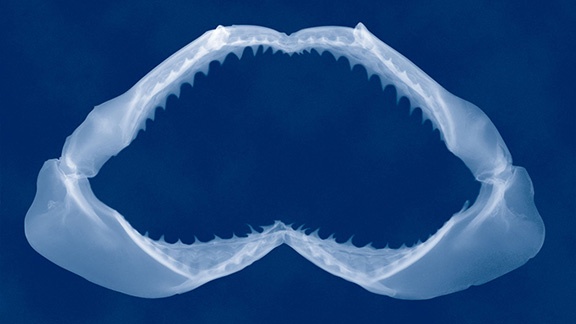
Neutron Ray on orthographic film
11×20 cyanotype on Fabriano Artistico
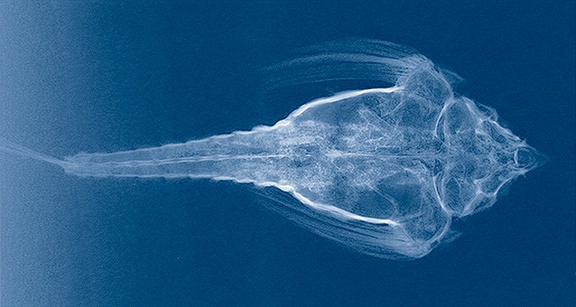
Neutron Ray on orthographic film
10×20 cyanotype on Fabriano Artistico
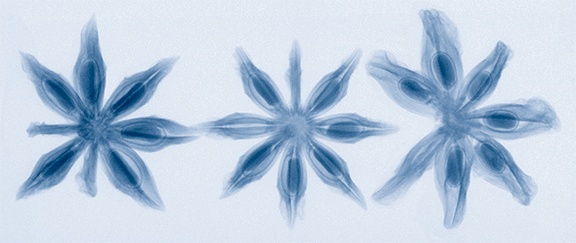
Neutron Ray on orthographic film
10×20 cyanotype on Fabriano Artistico
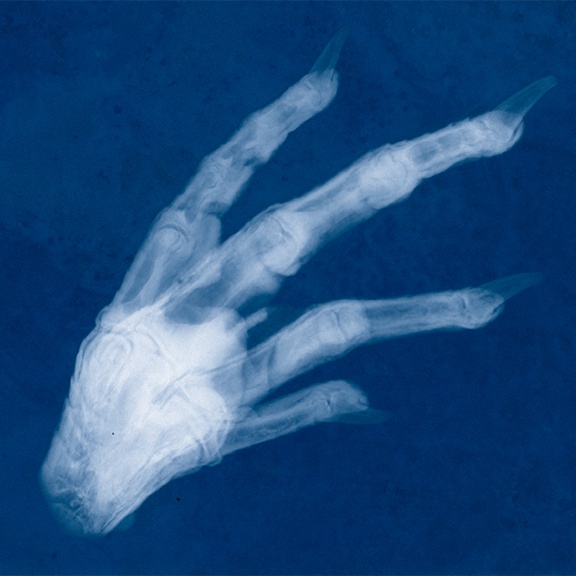
Neutron Ray on orthographic film
10×20 cyanotype on Fabriano Artistico
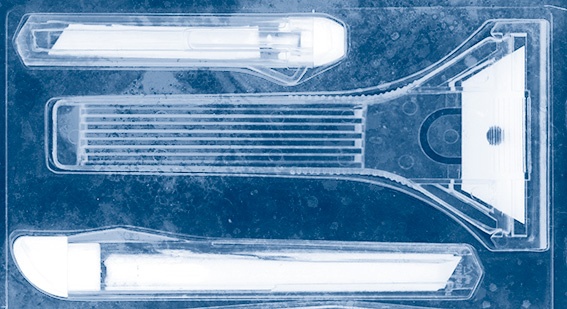
Digital X-Ray
10×20 cyanotype on Fabriano Artistico
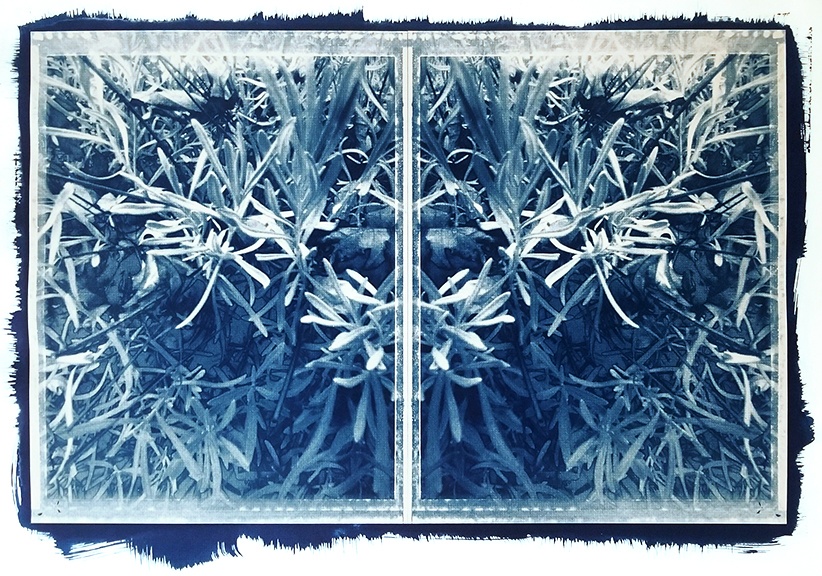
4×5 pinhole on Polaroid 55 w/negative
32×20 cyanotype on Fabriano Artistico
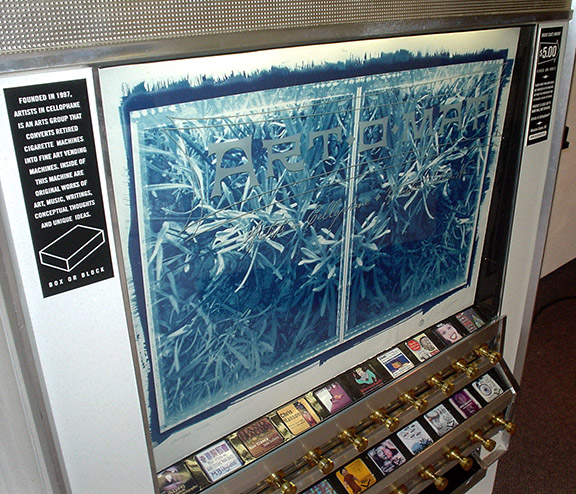
SECCA Artomat vending machine
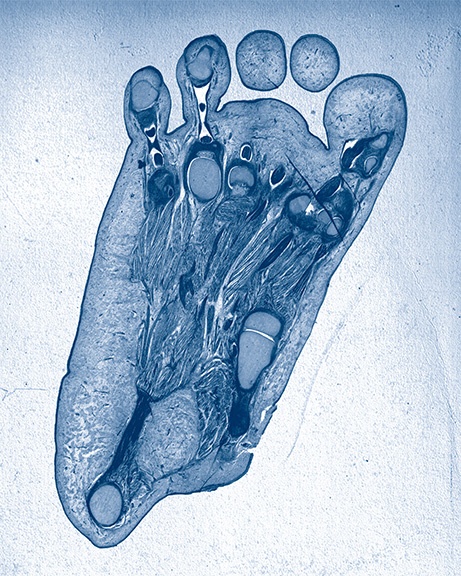
Antique Microscope Slide
16×20 cyanotype on Fabriano Artistico